
Water Pressure in Drip Systems: How to Optimize Flow
Proper water pressure is critical for an efficient drip irrigation system. Too low, and plants don’t get enough water. Too high, and emitters may burst or leak. This guide covers ideal pressure ranges, regulation techniques, and troubleshooting tips to maximize your system’s performance.
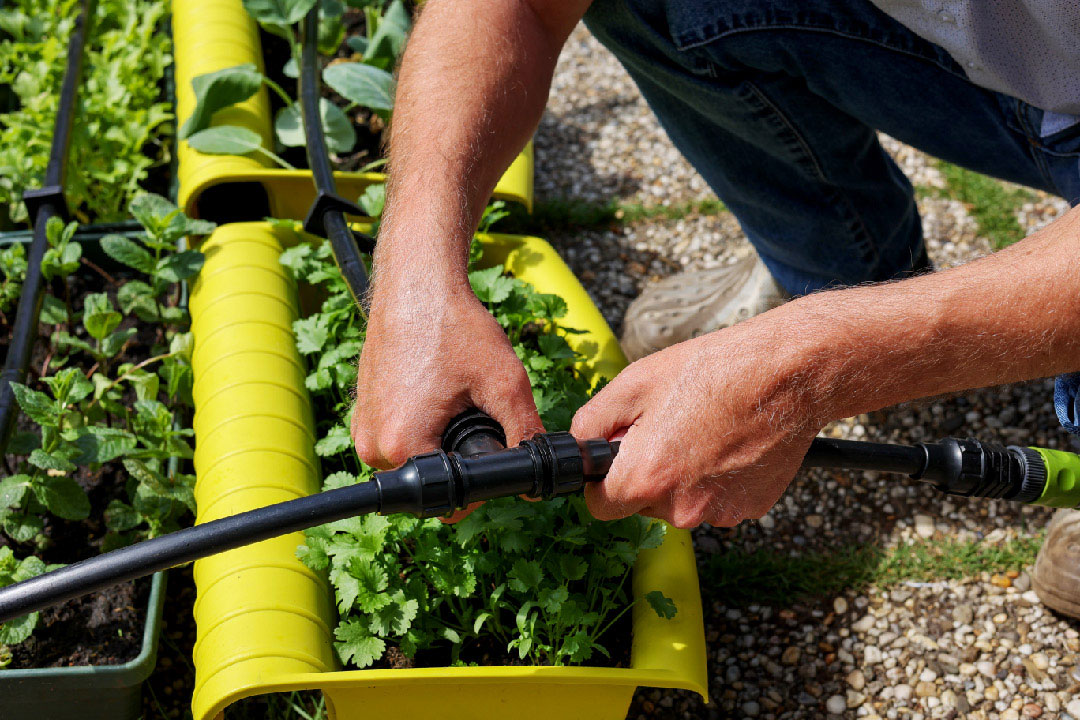
Ideal Water Pressure for Drip Irrigation
✅ Recommended PSI (Pounds per Square Inch)
- Mainline (before regulation): 20–60 PSI
- At Emitters (after regulation): 10–30 PSI (optimal: 15–25 PSI)
⚠️ Pressure Limits
| Component | Max Safe PSI |
|---|---|
| Standard Drip Tubing | 30–50 PSI |
| Emitters | 15–30 PSI |
| Micro-Sprinklers | 20–40 PSI |
❌ Too High? → Leaks, blown fittings, uneven watering.
❌ Too Low? → Weak flow, dry spots, stunted growth.
How Water Pressure Affects Drip Performance
🔹 High Pressure Problems
- Emitter blowouts (spraying instead of dripping).
- Pipe bursts (especially at weak joints).
- Uneven distribution (water flows faster at the start of the line).
🔹 Low Pressure Problems
- Insufficient coverage (end emitters get less water).
- Clogging risk (debris isn’t flushed out).
- Slow watering (takes longer to meet crop needs).
📌 Rule of Thumb
- Flat terrain: 15–25 PSI works well.
- Sloped fields: Use pressure-compensating (PC) emitters (maintains steady flow).
How to Measure & Regulate Pressure
📏 Tools for Measuring Pressure
- Pressure gauge (install at the start of the system).
- Flow meter (checks GPM to detect blockages).
🎛️ Pressure Regulation Methods
| Tool | Function | Best For |
|---|---|---|
| Pressure Regulator | Reduces incoming PSI to safe levels. | All drip systems. |
| Flow Control Valve | Adjusts GPM without changing PSI. | Zones with varying needs. |
| PC Emitters | Self-adjust for elevation changes. | Sloped or uneven terrain. |
Installation Tip: Place the regulator after the filter but before the drip lines.
Optimizing Flow for Different Terrains
🏔️ Sloped or Uneven Land?
- Use pressure-compensating (PC) emitters (they adjust flow automatically).
- Break into zones if elevation change exceeds 20 feet.
- Install check valves at low points to prevent backflow.
🌊 Flat Fields?
- Standard emitters work fine.
- Ensure consistent pipe diameter (avoid sudden reductions).
Signs of Pressure Problems & Fixes
⚠️ Symptoms of High Pressure
- Misting/spraying from emitters.
- Leaking connectors.
- Tubing bulging or bursting.
🔧 Fixes:
✔ Install a pressure regulator.
✔ Use heavier-duty tubing (if PSI exceeds 30).
⚠️ Symptoms of Low Pressure
- Weak or no flow at end of lines.
- Dry patches in the field.
- Slow watering times.
🔧 Fixes:
✔ Check for clogs (clean filters, flush lines).
✔ Reduce zone size (smaller areas = better pressure).
✔ Upgrade to a higher-flow water source.
Pressure-Compensating vs. Non-Compensating Emitters
| Feature | PC Emitters | Non-PC Emitters |
|---|---|---|
| Flow Consistency | Same output (even on slopes). | Varies with pressure changes. |
| Best Use Case | Uneven terrain, long rows. | Flat fields, short runs. |
| Cost | Slightly more expensive. | Cheaper. |
💡 Pro Tip: If your system has hills or long rows, PC emitters are worth the investment.
Troubleshooting Common Flow Issues
🔍 Quick Diagnosis Table
| Problem | Possible Cause | Solution |
|---|---|---|
| No water at emitters | Clogged filter/emitter. | Clean or replace. |
| Leaking tubing | Excessive pressure. | Install a regulator. |
| Uneven watering | Poor pressure regulation. | Use PC emitters or re-zone. |
| Low flow at ends | Zone too large. | Split into smaller zones. |
🛠️ Maintenance Tips
- Flush lines monthly to prevent buildup.
- Check pressure gauges seasonally.
- Replace worn emitters every 2–3 years.
Smart Tech for Pressure Optimization
🌐 Advanced Tools
- Automated pressure sensors (alerts for drops/spikes).
- Smart controllers (adjusts watering based on real-time data).
- Flow-monitoring apps (tracks usage and detects leaks).
Example: The Netafim Tech Control System adjusts pressure dynamically for optimal flow.
Final Takeaways
✔ Ideal pressure: 15–25 PSI at emitters.
✔ Use regulators to prevent damage.
✔ PC emitters are best for slopes.
✔ Monitor & maintain to avoid clogs and leaks.
By optimizing water pressure, you ensure uniform irrigation, save water, and boost crop health.
