
Key Components of Drip Irrigation: Pipes, Emitters, and Filters
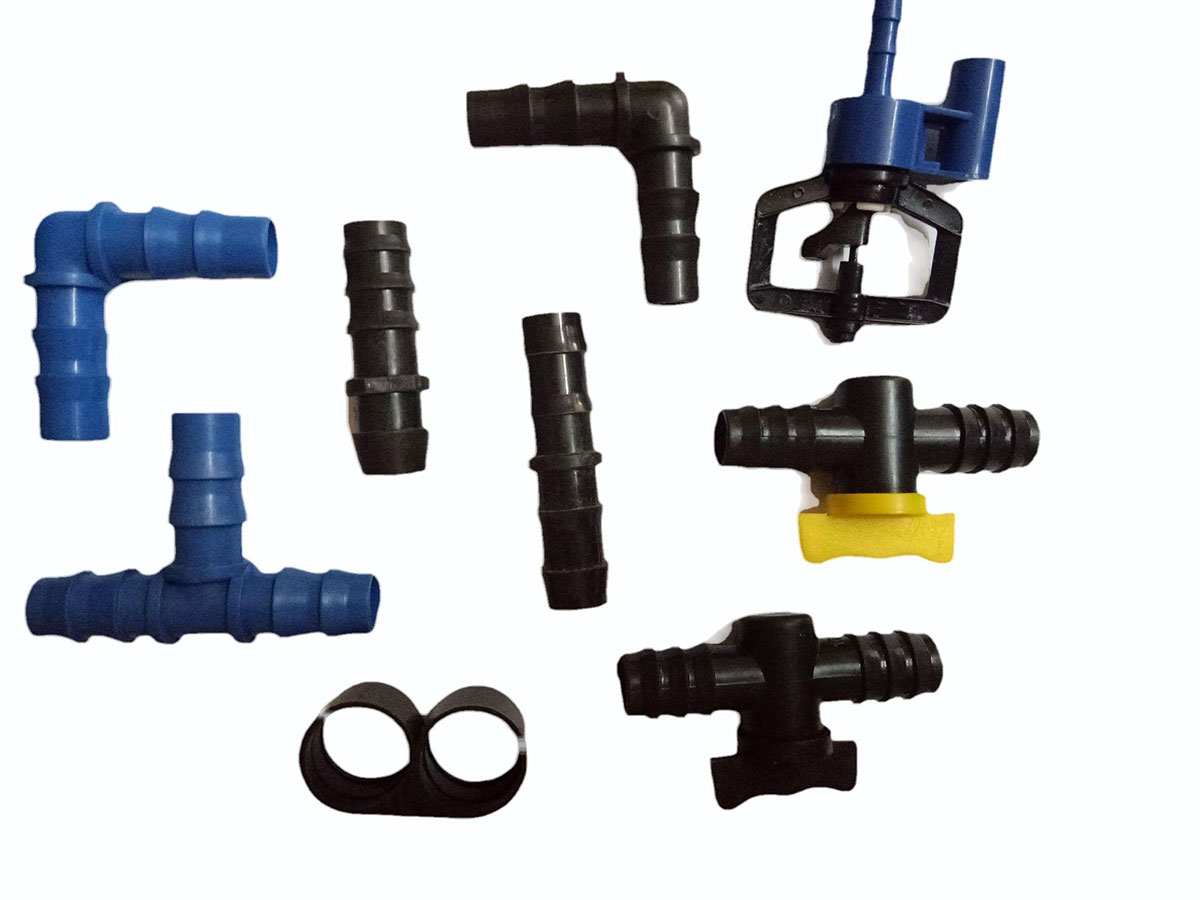
Drip irrigation is one of the most efficient watering methods for farms and gardens, delivering water directly to plant roots with minimal waste. To build an effective system, you need the right pipes, emitters, and filters—plus smart design choices.
Whether you’re setting up a DIY irrigation system for a small farm or automating your garden, this guide covers essential components, design tips, and tech upgrades to maximize efficiency.
Essential Components of a Drip Irrigation System
✅ Main Water Supply & Backflow Preventer
- Connects to a faucet, rainwater tank, or pump.
- Backflow preventer stops contaminated water from flowing backward.
✅ Filters (Critical for Preventing Clogs!)
- Sand filters – Remove large debris.
- Screen filters – Block fine particles.
- Disc filters – Best for very dirty water.
- Why it matters? Clogged emitters reduce efficiency.
✅ Pressure Regulator (Keps PSI Stable)
- Drip systems work best at 10-30 PSI.
- Prevents pipe bursts and uneven watering.
✅ Distribution Pipes & Tubing
- Mainline tubing (½”–1″) – Carries water from the source.
- Drip tubing (¼”) – Delivers water to plants.
- Soaker hoses – Porous hoses for garden beds.
✅ Emitters (Drippers) – The Heart of the System
- Adjustable emitters – Control flow rate (0.5–4 GPH).
- Pressure-compensating (PC) emitters – Even flow on slopes.
- Inline drippers – Pre-installed in tubing.
- Micro-sprayers – For wider coverage (good for shrubs).
✅ Valves & Controllers (For Automation)
- Manual valves – Simple on/off control.
- Solenoid valves – Work with timers for automation.
- Smart controllers – Adjust watering based on weather, soil moisture, or AI.
Best DIY Irrigation Designs for Small Farms
📌 Design #1: Basic Drip System for Vegetable Gardens
- Best for: Raised beds, small plots.
- Components:
- ½” mainline tubing around beds.
- ¼” drip lines with emitters (1 per plant).
- Timer for scheduled watering.
📌 Design #2: Orchard & Vineyard Drip System
- Best for: Trees, grapes, berries.
- Components:
- 1″ mainline along rows.
- Multiple emitters per plant (2–4 GPH).
- Pressure-compensating drippers for slopes.
📌 Design #3: Greenhouse Micro-Irrigation
- Best for: Hydroponics, potted plants.
- Components:
- Mist nozzles or micro-sprayers.
- Moisture sensors for precision.
📌 Design #4: Large Farm Automated Drip System
- Best for: Row crops (tomatoes, corn).
- Components:
- Sub-main pipes with solenoid valves.
- Smart controller (Wi-Fi/Bluetooth).
- Soil sensors for real-time adjustments.
How to Automate Your Farm’s Irrigation System
🔧 Step 1: Install a Timer or Smart Controller
- Basic option: Battery-powered timer (20–50).
- Smart option: Wi-Fi controller (e.g., Rachio, Orbit B-hyve) adjusts based on weather.
🔧 Step 2: Add Soil Moisture Sensors
- Measures real-time water needs (prevents overwatering).
- Brands: Blumat, Rain Bird.
🔧 Step 3: Use a Weather-Based System
- Evapotranspiration (ET) controllers pull local weather data.
- Solar-powered systems for off-grid farms.
🔧 Step 4: Remote Monitoring (IoT & Apps)
- FarmBot, CropX – Tracks water usage via smartphone.
- Drones & satellite imaging – Detects dry zones in large fields.
Tools Needed for a DIY Irrigation System
- Pipe cutter – Clean cuts on tubing.
- Hole punch – For inserting emitters.
- Goof plugs – Fix mistakes in tubing.
- Teflon tape – Prevents leaks at connections.
Smart Irrigation Tech for Better Efficiency
| Technology | How It Helps | Best For |
|---|---|---|
| Soil Sensors | Prevents over/under-watering | Small farms, greenhouses |
| Weather-Based AI | Adjusts schedule for rain, humidity | Large fields |
| Variable Flow Valves | Saves water by zone | Sloped land |
| Mobile Alerts | Notifies leaks or clogs | Remote monitoring |
Common Mistakes to Avoid
❌ No filter → Clogged emitters.
❌ Wrong pressure → Burst pipes or weak flow.
❌ Poor emitter spacing → Dry spots or water waste.
❌ Ignoring maintenance → Algae, mineral buildup.
Can You Install It Without Professional Help?
✅ Yes! Most drip systems are DIY-friendly with basic tools.
✅ Start small (a garden bed) before scaling up.
✅ Watch YouTube tutorials for step-by-step guides.
Final Thoughts: Is Drip Irrigation Worth It?
✔ Saves 30–60% more water than flood/sprinklers.
✔ Boosts crop yields with precise watering.
✔ Smart tech makes automation easy & affordable.
For small farms, gardens, or large-scale fields, drip irrigation is the most efficient, scalable, and sustainable choice.
