
Drip Irrigation + Organic Farming: A Sustainable Match
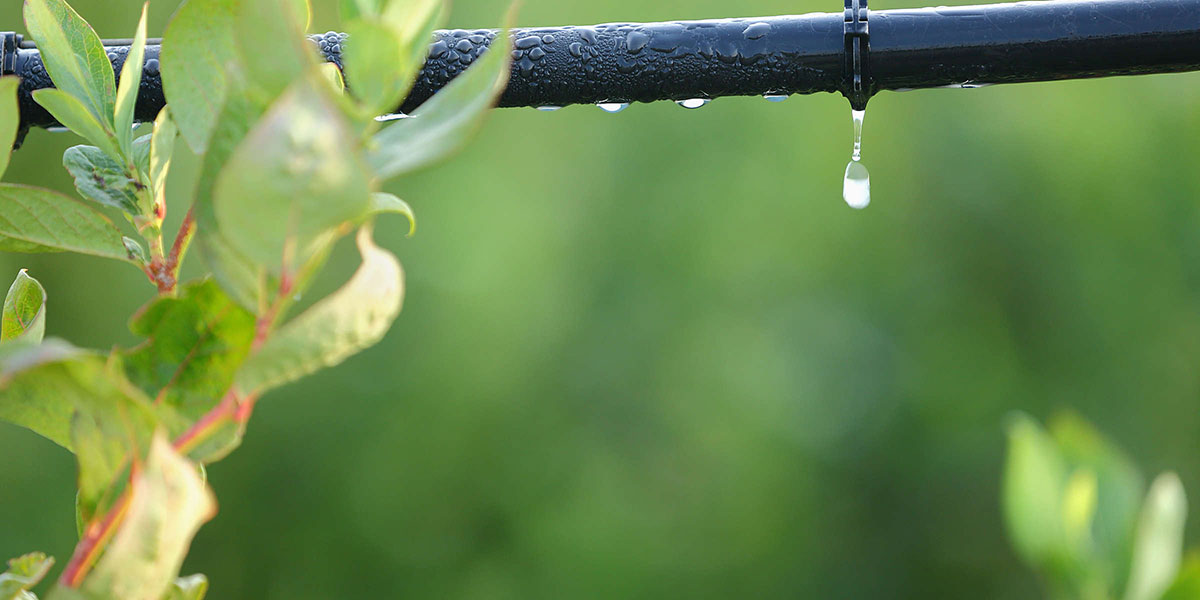
Drip irrigation and organic farming are a perfect pair, combining water efficiency, soil health, and eco-friendly practices for sustainable agriculture. Here’s how they work together to boost yields, reduce weeds, and protect the environment.
🌱 How Drip Irrigation Supports Organic Farming
1. Reduces Water Waste & Runoff**
- Precise watering at plant roots = 60% less water use than flood irrigation.
- Minimizes leaching of organic fertilizers into groundwater.
2. Enhances Soil Health**
- No soil erosion (unlike sprinklers that compact soil).
- Promotes microbial activity by maintaining consistent moisture.
3. Lowers Weed Pressure**
- Water targets crops only = fewer weeds germinate.
- Reduces need for manual weeding or organic herbicides.
4. Optimizes Organic Fertilizer Use (Fertigation)**
- Liquid compost teas & fish emulsion can be injected directly into roots.
- 30% less fertilizer waste vs. broadcasting.
5. Reduces Disease Risk**
- Keeps foliage dry, preventing fungal diseases (e.g., blight, mildew).
- Healthier plants = fewer organic pesticide sprays needed.
🌍 Environmental Benefits of Drip + Organic Farming
✅ Less water pollution (no chemical runoff).
✅ Lower carbon footprint (reduced pumping energy vs. sprinklers).
✅ Supports biodiversity (healthier soil = more beneficial insects & microbes).
✅ Certification-friendly (meets USDA Organic, Regenerative Ag, and Fair Trade standards).
🚜 Best Crops for Drip Irrigation in Organic Systems
| Crop Type | Why It Works |
|---|---|
| Vegetables (Tomatoes, Peppers) | High water needs, disease-prone |
| Berries (Strawberries, Blueberries) | Sensitive to overwatering |
| Leafy Greens (Lettuce, Spinach) | Avoids leaf wetness (reduces rot) |
| Herbs (Basil, Cilantro) | Consistent moisture = better flavor |
| Orchard Crops (Apples, Citrus) | Deep root hydration + fertigation |
🛠️ Maintaining a Drip System with Organic Methods
1. Prevent Clogging Naturally**
- Use mesh filters (cleanable & reusable).
- Flush lines with vinegar (instead of chemical cleaners).
2. Organic-Approved Pest Control**
- Diatomaceous earth in filters stops ants.
- Copper tape deters slugs near emitters.
3. Winterizing Organically**
- Drain & blow out lines with air (no antifreeze chemicals).
- Cover valves with burlap (instead of plastic).
⚠️ Challenges & Solutions
| Challenge | Organic Solution |
|---|---|
| Emitter clogging | Use compost tea filters |
| Algae growth | Hydrogen peroxide flush (OMRI-listed) |
| Rodent damage | Peppermint oil spray on tubing |
| High upfront cost | Government grants (USDA EQIP, EU CAP) |
📈 ROI: Is Drip Worth It for Organic Farms?
| Factor | Drip + Organic | Traditional Organic |
|---|---|---|
| Water Use | ✅ 50-70% less | ❌ High waste |
| Labor (Weeding) | ✅ 60% reduction | ❌ Manual work |
| Fertilizer Cost | ✅ 30% savings | ❌ More needed |
| Yield Increase | ✅ +20-40% | ❌ Variable |
💡 Most farms recoup costs in 2-4 years through water savings & higher yields.
🌿 Key Takeaways
✔ Saves water & prevents runoff—critical for organic certification.
✔ Boosts soil health & reduces weeds = less labor.
✔ Works with compost teas & liquid organic fertilizers.
✔ Higher yields & premium prices for organic drip-grown crops.
✔ Eco-friendly & certification-compliant.
🚀 Next Step: Start small with a drip fertigation trial plot to test benefits!

