
Drip Irrigation in Developing Countries: Challenges & Success Stories
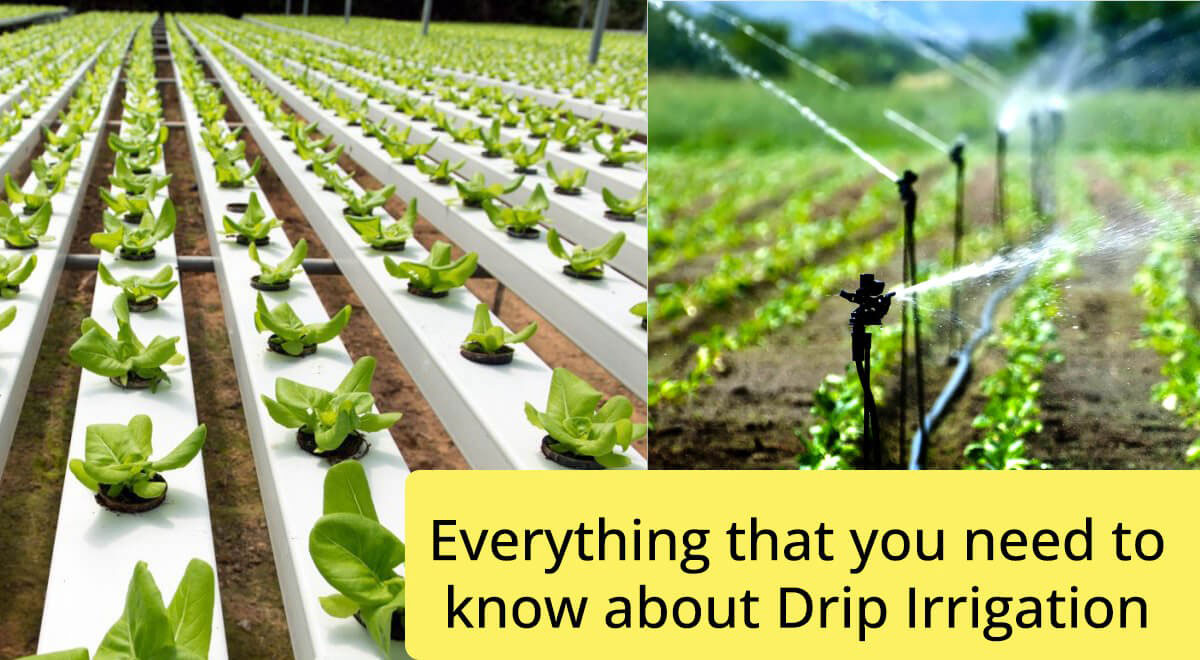
Drip irrigation has the potential to transform agriculture in developing nations—boosting yields, saving water, and reducing poverty. However, cost, education, and infrastructure barriers often slow adoption. This article explores the key challenges, success stories, and scalable solutions making drip irrigation work in low-income regions.
🌍 Challenges of Drip Irrigation in Developing Countries
1. High Upfront Costs**
- Smallholder farmers often can’t afford drip systems (500−1,500/acre).
- Lack of financing (loans, subsidies) delays adoption.
2. Limited Technical Knowledge**
- Many farmers don’t understand drip system maintenance.
- Poor training leads to clogged emitters, leaks, and inefficiencies.
3. Poor Water Access & Quality**
- Unreliable water sources (seasonal wells, distant rivers).
- Sediment-heavy water clogs filters and emitters.
4. Cultural & Behavioral Barriers**
- Resistance to change (traditional flood irrigation is deeply rooted).
- Gender disparities—women farmers often lack access to training.
5. Lack of Government & NGO Support**
- Weak policies on water conservation.
- Limited extension services to educate farmers.
✅ Success Stories: Where Drip Irrigation is Thriving
1. India’s Drip Revolution (Per Drop More Crop Initiative)**
- Subsidies cover 50-90% of drip system costs.
- Result: 10 million+ acres now use drip, yields up 40% (PMKSY Report, 2023).
2. Kenya’s Solar-Powered Drip Farms**
- SunCulture kits ($500, solar + drip combo).
- Result: Farmers tripled incomes with drip + fertigation (World Bank, 2022).
3. Niger’s Women-Led Drip Gardens**
- Low-cost bucket drip systems ($20/farm).
- Result: Year-round vegetable production in Sahel deserts (FAO, 2021).
4. Bangladesh’s Rice Drip Pilot**
- Drip + SRI (System of Rice Intensification).
- Result: 30% less water, 20% higher yields (IRRI Study, 2023).
💡 Solutions to Overcome Adoption Barriers
1. Affordable & Scalable Drip Systems**
| Solution | Cost | Best For |
|---|---|---|
| Bucket Drip Kits | 20−50 | Small plots, veggies |
| PVC Gravity Drip | 100−300 | Hillside farms |
| Solar Drip Systems | 500−1,000 | Off-grid farms |
2. Government & NGO-Led Programs**
✔ Subsidies (50-90% cost coverage).
✔ Farmer training (maintenance, fertigation).
✔ Microfinance loans (low-interest drip system financing).
3. Localized Adaptations**
- Use recycled materials (old hoses, bottles).
- Community drip cooperatives (shared systems).
4. Education & Gender Inclusion**
- Mobile apps (WhatsApp training videos).
- Women-led drip farming groups (e.g., Self-Employed Women’s Association, India).
📊 Impact of Drip Irrigation in Developing Nations
| Benefit | Impact |
|---|---|
| Water Savings | 30-60% less water used. |
| Yield Increases | +20-50% (tomatoes, maize, veggies). |
| Income Growth | 2-4x higher profits for smallholders. |
| Food Security | Year-round crop production. |
📌 Example: Zimbabwe’s drip-adopting farmers saw maize yields jump from 1 ton/ha to 4 tons/ha.
🌱 Crops That Benefit Most in Developing Regions
- Vegetables (tomatoes, onions, spinach).
- Cash crops (cotton, coffee, sugarcane).
- Staples (maize, rice with SRI methods).
🚧 Key Barriers & How to Address Them
| Barrier | Solution |
|---|---|
| High Cost | Subsidies, microloans, low-tech kits. |
| Poor Maintenance | Farmer field schools, WhatsApp tutorials. |
| Water Scarcity | Rainwater harvesting + drip. |
| Gender Gap | Women-focused training programs. |
🌏 The Future: Can Drip Irrigation Scale Globally?
✅ Yes—with the right policies & affordable tech.
🚀 Trends to Watch:
- Pay-as-you-go drip systems (mobile money financing).
- Blockchain water credits (reward farmers for efficiency).
- AI-driven drip optimization (low-cost sensors).
📌 Key Takeaways
✔ Drip irrigation WORKS in developing countries—but costs & training are hurdles.
✔ Success stories (India, Kenya, Niger) prove scalability.
✔ Low-cost kits, subsidies, and education boost adoption.
✔ Women & smallholders benefit most from drip tech.
🌍 Next Step: Support local NGOs promoting drip irrigation in vulnerable regions!

